
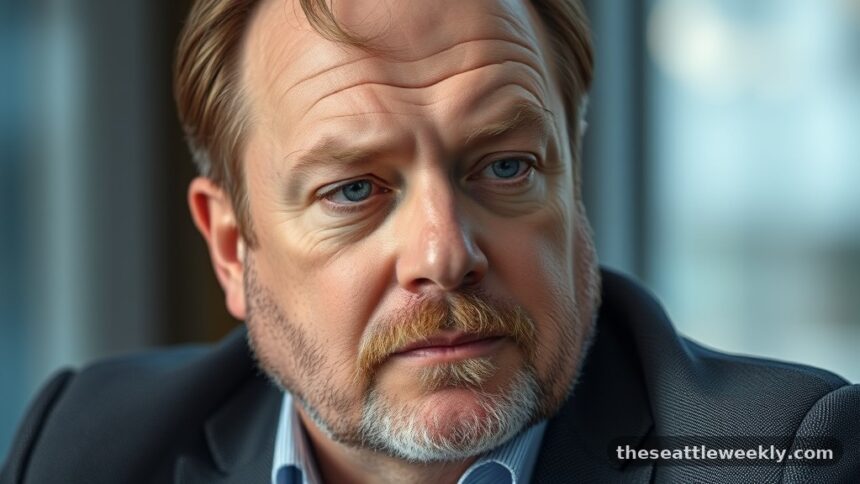
Understanding the financial standing of high-profile entrepreneurs requires looking beyond media headlines and television personas. Tracking the evolution of Kevin O’Leary’s net worth provides a clear look at how capital accumulation functions across decades, from early software ventures to modern venture capital and media branding. Most financial analysts estimate that Kevin O’Leary’s net worth currently sits at approximately $400 million.
This figure accounts for his diverse portfolio of private investments, public speaking engagements, and ongoing television commitments. By examining his trajectory from the founding of SoftKey to his role as a prominent venture capitalist, you can better understand how his wealth has been built and maintained over time.
The SoftKey Foundation and Early Wealth
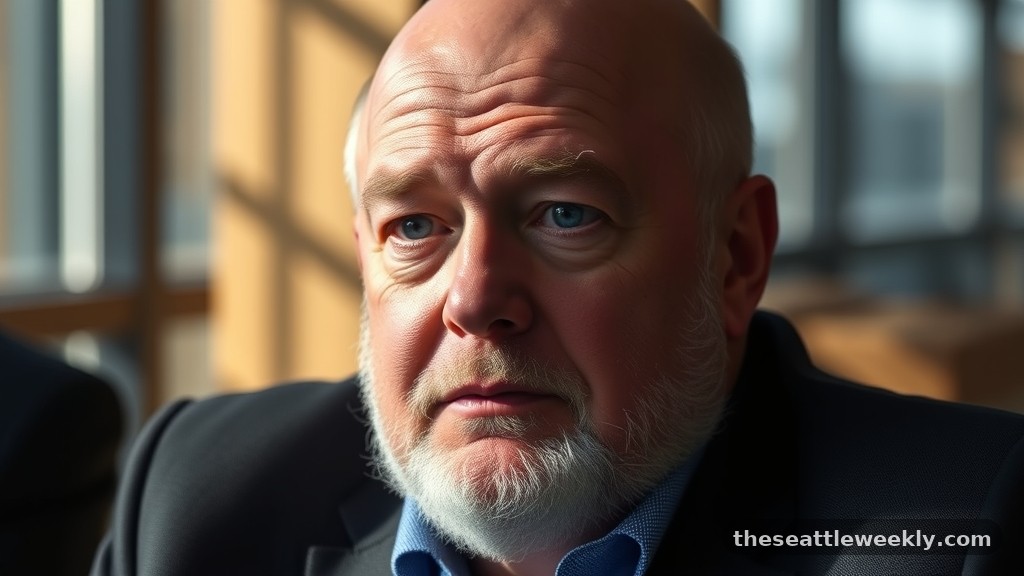
The primary engine behind the initial growth of Kevin O’Leary’s net worth was the company he co-founded in 1986, known as SoftKey Software Products. Originally based in a basement in Toronto, the company specialized in educational software for children, a market that was rapidly expanding during the early days of home computing. O’Leary focused on the aggressive acquisition of competitors, which allowed SoftKey to dominate the budget software market by the mid-1990s.
In 1995, SoftKey completed a massive acquisition of The Learning Company for $606 million. This move significantly increased the company’s valuation and market share, positioning it as a leader in the educational software sector.
By 1999, the company—then renamed The Learning Company—was sold to Mattel for a staggering $3.8 billion. While O’Leary did not receive the entirety of that sale price, his equity stake and the performance of his shares during this period established the foundation of his personal fortune.
This exit allowed him to pivot away from direct operational management and toward a strategy centered on venture capital and private equity. He became a fixture in the Canadian business landscape, eventually moving into the media space with television programs like Dragon’s Den and Shark Tank. These roles did more than provide a salary; they built a personal brand that allows him to command high fees for speaking engagements and endorse financial products.
Diversification of Assets and Income Streams
O’Leary’s current wealth is not tied to a single industry or company. Instead, it is spread across a range of asset classes that provide varying levels of liquidity and growth potential. His approach mirrors that of many institutional investors who prioritize risk mitigation through sector diversification.
- Venture Capital: Equity stakes in dozens of small businesses featured on Shark Tank and through his private O’Leary Ventures firm.
- Media and Licensing: Revenue generated from television appearances, book sales, and brand licensing agreements.
- Public Markets: A portfolio of stocks and exchange-traded funds, often managed with a focus on dividend-paying companies.
- Real Estate: Ownership of high-value properties in locations such as Toronto, Muskoka, and Geneva.
- Speaking Fees: Significant compensation for corporate keynote addresses and financial seminars.
This multi-faceted approach ensures that a downturn in one sector, such as a decline in retail sales for a portfolio company, does not jeopardize his entire net worth. He frequently discusses the importance of cash flow in his financial philosophy, often prioritizing companies that produce dividends or consistent revenue over those that rely solely on speculative growth. You can view his official investment philosophy through his O’Leary Ventures portfolio page to see how he balances these various interests.
Comparison of Wealth Milestones
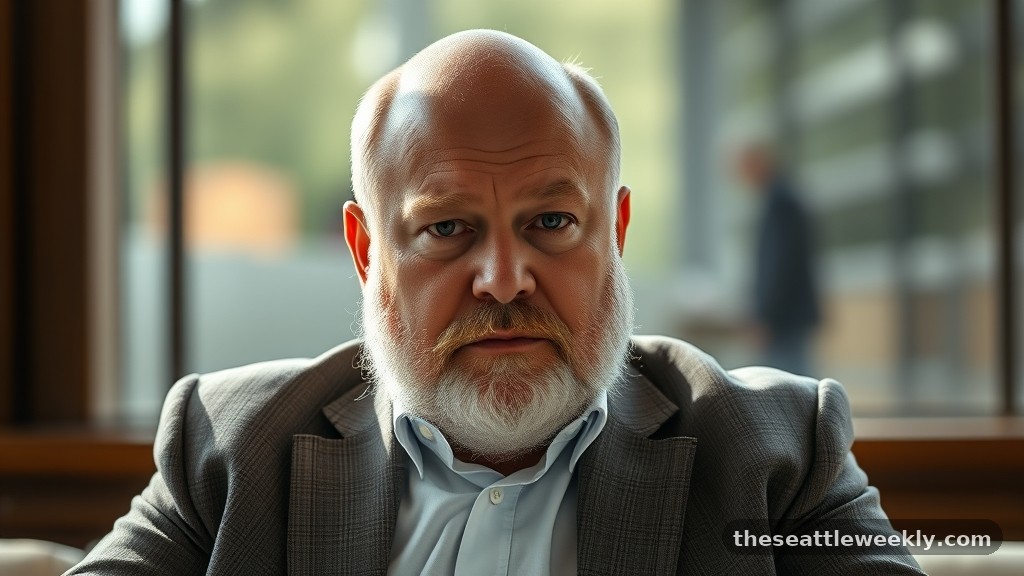
Tracking the growth of an entrepreneur’s wealth over time reveals the impact of compound interest and successful exits. While private figures are rarely updated in real-time, historical data points provide a trajectory of his financial evolution.
| Period | Key Event | Estimated Financial Impact |
|---|---|---|
| 1999 | Sale of The Learning Company to Mattel | Major liquidity event; established base wealth |
| 2008 | Launch of O’Leary Funds | Diversified into asset management fees |
| 2009 | Joined Dragon’s Den (Canada) | Increased media profile and brand value |
| 2013 | Became a full-time Shark on ABC | Global platform for deal flow and endorsements |
| 2024 | Portfolio expansion | Ongoing growth through private equity and crypto |
The transition from a software executive to a media-based venture capitalist marked a shift in how his net worth is generated. Early in his career, his wealth was tied to the outcome of a single company’s stock price. Today, he functions more like a diversified holding company, where the brand Kevin O’Leary itself acts as an asset that generates revenue independently of his specific investment successes or failures.
The Role of Shark Tank and Media Branding
The visibility provided by Shark Tank has acted as a force multiplier for O’Leary’s business interests. By appearing on the show, he accesses a proprietary deal flow that is unavailable to the average investor. Entrepreneurs often approach him specifically because of his television profile, which allows him to be selective about the companies he brings into his portfolio.
Furthermore, his television persona—often characterized by a focus on “the numbers” and a blunt assessment of profitability—has made him a sought-after voice in the financial media. This branding allows him to partner with financial services firms and cryptocurrency exchanges to act as a spokesperson or brand ambassador. These partnerships are typically high-value, long-term contracts that provide stable, predictable income streams.
While some critics argue that his television persona is exaggerated for entertainment, the underlying business strategy remains consistent. He consistently pushes for royalty-based deals or equity stakes that provide him with a claim on future revenue rather than just a one-time capital gain. This focus on “getting paid back” is a hallmark of his investment style and contributes to the stability of his net worth.
Investment Strategy and Risk Management
O’Leary’s approach to wealth management is famously conservative regarding capital preservation. He frequently emphasizes the “Rule of 10,” which dictates that he will not invest more than 10% of his total capital into any single venture. This strategy prevents a single failure from causing a catastrophic loss that would significantly damage his overall net worth.
His focus on dividends is another key component of his strategy. By investing in companies that distribute a portion of their profits to shareholders, he creates an “evergreen” income stream that requires little active management. This is particularly important for high-net-worth individuals who want to maintain their lifestyle without needing to liquidate core assets during market downturns.
He also maintains a disciplined stance on debt. While he utilizes leverage in specific business contexts, he generally advises against personal consumer debt, viewing it as a drag on wealth accumulation. This discipline has allowed him to remain solvent and active through multiple economic cycles, including the 2008 financial crisis and the volatility associated with the COVID-19 pandemic.
Conclusion
Assessing the total value of assets associated with Kevin O’Leary’s net worth requires acknowledging the blend of traditional equity, media branding, and strategic diversification. He has successfully transitioned from a software entrepreneur into a diversified investor who leverages his public platform to source deals and maintain consistent revenue. While his exact wealth fluctuates based on market conditions and the performance of his private portfolio companies, he remains a significant figure in the world of venture capital.
For those looking to mirror his financial trajectory, the primary lesson lies in the importance of diversification, the focus on cash-flow-positive investments, and the consistent protection of one’s core capital. Following these principles provides a roadmap for long-term wealth growth, regardless of one’s starting point.