

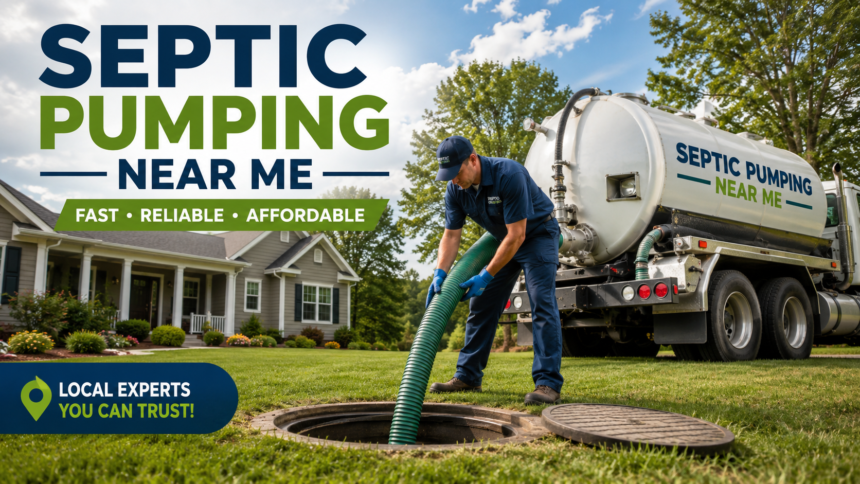
Searching for septic pumping near me is something most homeowners do only when they notice a problem. Maybe the drains are moving slowly, there’s a strange smell in the yard, or water is backing up into sinks and toilets. While these signs often indicate that pumping is needed, waiting until a problem appears can be expensive.
- Understanding How a Septic System Works
- Why Septic Pumping Is So Important
- Common Signs You Need Septic Pumping
- How Often Should a Septic Tank Be Pumped?
- What Happens During a Septic Pumping Appointment?
- Locating the Tank
- Initial Inspection
- Measuring Waste Levels
- Pumping the Tank
- Component Inspection
- Maintenance Recommendations
- Average Cost of Septic Pumping
- How to Find the Best Septic Pumping Company
- Check Experience
- Read Customer Reviews
- Verify Licensing
- Ask About Inspections
- Request Clear Pricing
- Confirm Emergency Availability
- Septic Problems Caused by Poor Maintenance
- Everyday Habits That Protect Your Septic System
- Conserve Water
- Fix Leaks Quickly
- Spread Out Laundry Loads
- Avoid Harsh Chemicals
- Dispose of Grease Properly
- Keep Heavy Vehicles Away
- Myths About Septic Pumping
- Myth: Septic Tanks Never Need Pumping
- Myth: Additives Replace Pumping
- Myth: If Nothing Smells, Everything Is Fine
- Myth: Pumping Is Only Necessary During Emergencies
- Residential vs Commercial Septic Pumping
- Questions to Ask Before Hiring a Septic Company
- The Long-Term Value of Regular Septic Pumping
- Final Thoughts
A septic system works quietly in the background every day, handling all the wastewater from your home. Because it’s hidden underground, many people forget it exists until something goes wrong. Unfortunately, septic repairs can cost thousands of dollars, while routine pumping is far more affordable.
The good news is that regular septic maintenance is simple. By understanding how your septic system works and scheduling pumping at the right time, you can avoid emergencies and extend the life of your entire system.
This comprehensive guide covers everything homeowners need to know about septic pumping near me, including how septic tanks work, warning signs of trouble, average costs, maintenance tips, and how to find a trustworthy service provider.
Understanding How a Septic System Works
Before discussing septic pumping near me, it’s important to understand what happens beneath your property.
Every time you flush a toilet, take a shower, wash dishes, or run laundry, wastewater travels through pipes into the septic tank. Inside the tank, waste separates into three layers:
- Scum Layer: Oils, grease, and lighter materials float to the top.
- Liquid Layer: Water remains in the middle section.
- Sludge Layer: Heavy solids settle at the bottom.
The liquid wastewater eventually flows into the drain field, where natural soil filtration helps clean the water before it returns to the environment.
Over time, sludge and scum continue to build up. If these layers become too large, the system can no longer function properly. That’s when professional septic pumping becomes necessary.
As septic professionals often say, “A septic tank is designed to hold waste temporarily, not forever.”
Why Septic Pumping Is So Important
Many homeowners assume that septic tanks never need maintenance. Unfortunately, that’s one of the biggest misconceptions about septic systems.
Even the best septic tank will eventually fill with solids. Without regular pumping, those solids can overflow into the drain field and cause serious damage.
Benefits of regular septic pumping near me services include:
- Preventing sewage backups
- Eliminating unpleasant odors
- Protecting groundwater
- Increasing septic system lifespan
- Reducing repair costs
- Improving drainage performance
- Preventing drain field failure
A neglected septic system may seem fine for years, but problems often develop slowly and become expensive very quickly.
Common Signs You Need Septic Pumping
Your septic system usually gives warning signs before a major failure occurs.
Knowing these symptoms can help you act quickly.
Slow Draining Fixtures
If sinks, showers, bathtubs, and toilets begin draining slowly, your septic tank may be approaching capacity.
One slow drain isn’t always a septic issue, but multiple slow drains throughout the home often indicate a larger problem.
Unpleasant Odors
Strong sewage smells near your yard, septic tank, or drains should never be ignored.
These odors often signal that the tank is becoming full or that wastewater isn’t moving properly through the system.
Gurgling Sounds
Strange bubbling or gurgling noises coming from drains or toilets can indicate restricted wastewater flow.
This symptom often appears before backups occur.
Standing Water
Pools of water around the drain field may indicate that wastewater is no longer being absorbed effectively.
Sewage Backup
This is the clearest sign that immediate action is needed.
If wastewater begins backing up into sinks, tubs, or toilets, searching for septic pumping near me should become an urgent priority.
How Often Should a Septic Tank Be Pumped?
One of the most common questions homeowners ask is how frequently pumping is necessary.
The answer depends on several factors.
Household Size
More people create more wastewater.
A family of six will generally need pumping more often than a household with only two residents.
Tank Capacity
Larger tanks can store more waste before requiring service.
Water Usage
Homes that use significant amounts of water place more stress on septic systems.
Garbage Disposal Use
Food waste increases sludge accumulation inside the tank.
System Age
Older systems may require more frequent inspections and maintenance.
General guidelines include:
| Household Size | Pumping Frequency |
|---|---|
| 1–2 People | Every 3–5 Years |
| 3–4 People | Every 2–4 Years |
| 5–6 People | Every 1–3 Years |
| Large Families | Every 1–2 Years |
A professional found through a septic pumping near me search can recommend a schedule based on your specific system.
What Happens During a Septic Pumping Appointment?
Many homeowners feel nervous before their first pumping service because they don’t know what to expect.
Fortunately, the process is relatively simple.
Locating the Tank
Technicians first identify and uncover the septic tank access points.
Initial Inspection
The tank is checked for signs of damage, leaks, cracks, or structural problems.
Measuring Waste Levels
Professionals evaluate sludge and scum buildup.
Pumping the Tank
Specialized vacuum equipment removes accumulated waste.
Component Inspection
Filters, baffles, and other parts are examined to ensure proper operation.
Maintenance Recommendations
The technician may recommend repairs, inspections, or future pumping schedules.
Most residential septic pumping appointments take between one and two hours.
Average Cost of Septic Pumping
Cost is often a major concern when searching for septic pumping near me.
Several factors affect pricing:
- Tank size
- Tank accessibility
- Local labor rates
- Emergency service requirements
- Inspection services
- Geographic location
Typical pumping costs range from $250 to $700 for standard residential systems.
Larger tanks may cost more.
Emergency pumping services performed after hours or during weekends often carry additional fees.
While pumping may seem expensive, replacing a failed drain field can cost several thousand dollars, making routine maintenance a worthwhile investment.
How to Find the Best Septic Pumping Company
Not all septic companies provide the same level of service.
Choosing the right provider can make a significant difference.
Check Experience
Look for companies with several years of septic service experience.
Read Customer Reviews
Reviews often reveal how companies treat customers and handle problems.
Verify Licensing
Always ensure the company meets local licensing requirements.
Ask About Inspections
A good company doesn’t just pump the tank—it also checks system health.
Request Clear Pricing
Transparent pricing helps avoid unexpected charges.
Confirm Emergency Availability
Septic emergencies don’t always happen during business hours.
When comparing providers for septic pumping near me, don’t automatically choose the cheapest option. Quality service often saves money in the long run.
Septic Problems Caused by Poor Maintenance
Ignoring routine pumping can lead to serious complications.
Drain Field Failure
When excess solids enter the drain field, soil becomes clogged and ineffective.
Drain field replacement is one of the most expensive septic repairs.
Sewage Backups
Wastewater may return to sinks, toilets, and bathtubs.
Environmental Damage
Untreated wastewater can contaminate groundwater and nearby soil.
Structural Damage
Persistent moisture can affect landscaping and nearby structures.
Higher Repair Costs
Minor issues often become major repairs when maintenance is delayed.
This is why experts consistently recommend proactive septic pumping near me services rather than waiting for visible problems.
Everyday Habits That Protect Your Septic System
Small daily habits can greatly extend septic system life.
Conserve Water
Reducing water use lowers stress on the tank and drain field.
Fix Leaks Quickly
A leaking toilet can waste hundreds of gallons every week.
Spread Out Laundry Loads
Doing multiple loads in one day can overload the system.
Avoid Harsh Chemicals
Strong chemical cleaners may disrupt beneficial bacteria inside the tank.
Dispose of Grease Properly
Cooking oils and grease should never be poured down drains.
Keep Heavy Vehicles Away
Driving over septic components can cause costly damage.
These simple practices reduce the need for emergency septic pumping near me services.
Myths About Septic Pumping
Many homeowners believe myths that can lead to costly mistakes.
Myth: Septic Tanks Never Need Pumping
Every septic tank eventually accumulates solids that require removal.
Myth: Additives Replace Pumping
Most additives cannot eliminate the need for regular pumping.
Myth: If Nothing Smells, Everything Is Fine
Many septic problems develop long before odors appear.
Myth: Pumping Is Only Necessary During Emergencies
Routine maintenance is far less expensive than emergency repairs.
Understanding these myths helps homeowners make smarter decisions.
Residential vs Commercial Septic Pumping
Residential systems handle wastewater from a single home.
Commercial systems may serve:
- Restaurants
- Office buildings
- Apartment complexes
- Retail centers
- Industrial properties
Commercial systems process significantly larger volumes of wastewater and usually require more frequent maintenance.
Professional companies offering septic pumping near me often provide specialized services for both residential and commercial customers.
Questions to Ask Before Hiring a Septic Company
Before scheduling service, ask:
- How long have you been servicing septic systems?
- Are you licensed and insured?
- What’s included in the quoted price?
- Do you inspect the tank during pumping?
- Do you provide emergency service?
- Can you recommend a maintenance schedule?
These questions help ensure you’re working with a reliable provider.
The Long-Term Value of Regular Septic Pumping
Homeowners sometimes delay pumping because they want to save money.
In reality, regular pumping is one of the best financial decisions you can make.
A well-maintained septic system can last decades.
A neglected system may require expensive repairs, drain field replacement, or complete system reconstruction.
As many experienced homeowners discover, “Routine maintenance costs hundreds, but major septic repairs cost thousands.”
That’s why searching for septic pumping near me before problems arise is always the smarter choice.
Final Thoughts
Finding reliable septic pumping near me services is essential for protecting your home, property, and budget. Regular pumping prevents backups, improves system performance, and significantly extends the life of your septic system.
Whether you’re noticing warning signs or simply following a maintenance schedule, professional septic pumping is an investment that pays for itself over time. A properly maintained septic system operates efficiently, protects your property value, and provides peace of mind for years to come.
The next time you think about home maintenance, don’t forget what lies underground. Scheduling regular septic pumping near me services today can help you avoid major headaches tomorrow.
Also Read: The Seattle Weekly